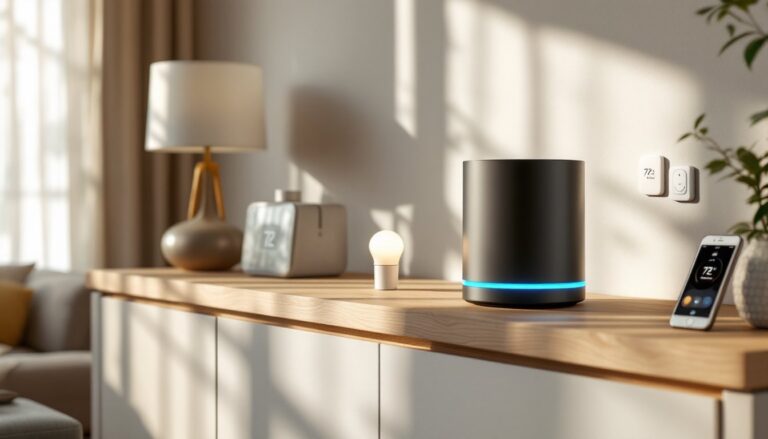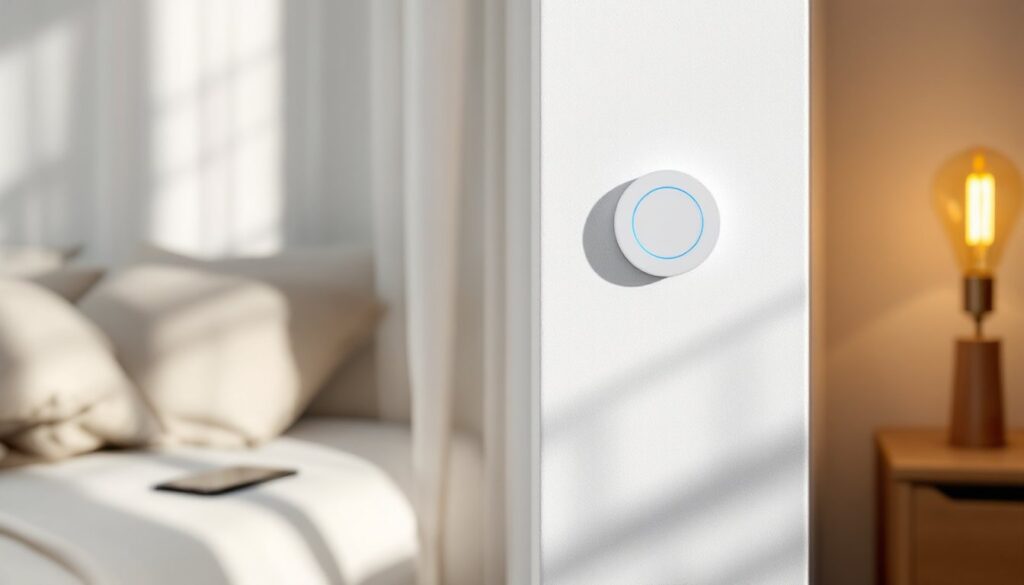

If you’ve ever fumbled in the dark looking for a phone app to turn off lights or wished you could skip the voice command ritual, smart home buttons offer a refreshingly analog solution to a digital problem. These compact, programmable devices bridge the gap between traditional switches and full home automation, giving everyone in the household, whether they’re tech-savvy or not, a physical way to control scenes, routines, and devices with a single press. No apps, no voice assistants, just push and go. They’re versatile, affordable, and work seamlessly with most major smart home ecosystems.
Table of Contents
ToggleKey Takeaways
- Smart home buttons provide tactile, instant control over lights, routines, and devices without apps or voice commands, making them ideal for elderly users, children, and guests.
- A smart home button typically costs $15–$50, requires no electrical work, and communicates via Zigbee, Z-Wave, Wi-Fi, or Bluetooth with battery life ranging from 12–24 months.
- Popular options include the Aqara Mini Switch ($18), Flic 2 ($34), Philips Hue Tap Dial ($49), and Samsung SmartThings Button ($18), each supporting different ecosystems and press types.
- Smart buttons support multiple press actions—single, double, triple, and long press—allowing one device to control four or more automated routines without cluttering walls.
- Installation takes five simple steps: choose location, pair with hub, assign actions, mount the button, and replace batteries annually, with no electrical permits required.
- Smart buttons serve as reliable backup control during internet outages when using local protocols like Zigbee or Z-Wave, and common issues like delayed response or failed pairing are easily resolved through battery checks and firmware updates.
What Is a Smart Home Button and How Does It Work?
A smart home button is a wireless, programmable device that triggers one or more smart home actions with a physical press. Think of it as a remote control stripped down to its essentials, no screen, no complex interface, just buttons you can assign to control lights, thermostats, locks, cameras, or entire automation routines.
Most smart buttons communicate via Zigbee, Z-Wave, Wi-Fi, or Bluetooth protocols, depending on the manufacturer and ecosystem. They connect to a central hub or directly to compatible devices, where the user assigns specific functions through a companion app. For example, a single press might turn on the living room lights, a double press could activate a “movie mode” scene, and a long press might trigger a “goodnight” routine that locks doors and dims all lights.
The key advantage is tactile control. While voice commands and smartphone apps are convenient, they’re not always practical, especially when hands are full, kids need quick access, or guests aren’t familiar with the home’s setup. Smart buttons solve that problem with instant, intuitive physical input.
Power typically comes from coin-cell batteries (like CR2032 or CR2450) that last anywhere from 12 to 24 months depending on usage frequency. Some models offer adhesive mounting, magnetic backing, or screw-mount options, making them easy to place on walls, nightstands, or near entryways without wiring or cutting drywall.
Top Benefits of Adding Smart Buttons to Your Home
Smart buttons aren’t flashy, but they deliver practical value in ways that apps and voice controls can’t match.
Accessibility for all users. Not everyone wants to talk to Alexa or fumble with a smartphone app. Elderly family members, young children, and guests benefit from a straightforward press-and-go interface. Mounting a button near the front door for an “arrival home” routine or beside the bed for a “goodnight” sequence removes friction from daily routines.
Faster response time. Opening an app, navigating menus, and waiting for commands to execute takes time. A smart home ecosystem can react instantly to a button press, often faster than voice commands since there’s no cloud processing delay. For time-sensitive actions, like activating outdoor lights when a noise is heard or triggering a panic alarm, physical buttons are more reliable.
Backup control method. Internet outages, Wi-Fi glitches, and voice assistant failures happen. Smart buttons that use local communication protocols like Zigbee or Z-Wave continue working even when cloud services go down, provided they’re connected to a compatible hub with local processing.
Customization without complexity. Many buttons support multiple press types: single, double, triple, and long press. This means one physical device can control four or more actions. Pairing this with home automation routines lets users create layered control without cluttering walls with switches.
Cost-effective expansion. Compared to installing new hardwired switches or upgrading to smart wall panels, buttons cost $15 to $50 each and require no electrical work or permits. They’re a low-commitment way to test smart home automation before investing in deeper integration.
Popular Smart Home Button Options for Every Budget
The market offers smart buttons for every ecosystem and budget. Here’s a breakdown of reliable options.
Amazon Echo Button (discontinued, but third-party alternatives exist). Amazon’s original smart button line has been replaced by third-party options compatible with Alexa through virtual button routines and Matter protocol devices. These typically cost $20 to $30 and work with Ring, Philips Hue, and other Alexa-compatible gear.
Flic 2. One of the most versatile standalone buttons, Flic 2 uses Bluetooth and requires either a smartphone app or the Flic Hub (sold separately for around $99). It supports IFTTT, Zapier, and direct integrations with Philips Hue, Sonos, and smart locks. Each button runs about $34 and offers three press types. Battery life is solid at 18+ months. It’s ideal for users who want cross-platform control without committing to a single ecosystem.
Aqara Mini Switch. A budget-friendly Zigbee option priced around $18, the Aqara works with Apple HomeKit, Google Home, and Amazon Alexa through the Aqara Hub. It’s compact, adhesive-mountable, and supports single, double, and long press. Battery life averages 12 to 18 months with a CR2032 coin cell. Recent comparisons of top smart buttons often rank Aqara highly for value.
Philips Hue Tap Dial. This premium option ($49) features four programmable buttons plus a rotating dial for dimming. It’s battery-free, using kinetic energy from button presses. It requires a Philips Hue Bridge and works exclusively within the Hue ecosystem. If you’re already invested in Hue lighting, the Tap Dial is an elegant, maintenance-free solution.
Lutron Pico Remote. Not technically a “button” but a multi-button remote ($15 to $25), the Pico works with Lutron Caseta smart switches and dimmers. It mounts in standard wall plates and can replace traditional switches without requiring line voltage wiring. This makes it a great retrofit option for homes where running new electrical lines isn’t feasible. Battery life exceeds three years with a CR2032.
Samsung SmartThings Button. Priced around $18, this Zigbee button integrates with the SmartThings ecosystem and supports one, two, and three presses plus a hold action. It’s a solid pick for Samsung smart home users who want simple, reliable control over scenes and routines.
Installation and Setup: Getting Your Smart Button Running
Smart button installation is straightforward, but a few steps ensure reliable performance.
Step 1: Choose a mounting location. Consider where the button will be most useful: near entryways, beside beds, on kitchen counters, or in utility rooms. Make sure the location is within wireless range of the hub or device it controls. For Zigbee and Z-Wave buttons, this typically means within 30 to 50 feet of the hub, though walls and appliances can reduce range. Test connectivity before permanent mounting.
Step 2: Pair the button with your hub or app. Most buttons enter pairing mode when the battery tab is removed or a specific button sequence is pressed. Open the companion app (Alexa, Google Home, SmartThings, etc.) and follow the on-screen instructions to add the device. Zigbee and Z-Wave buttons usually appear automatically once pairing mode is active. Bluetooth buttons like Flic require the smartphone app to complete setup.
Step 3: Assign actions. Use the app to program each button press type. For example:
- Single press: Turn on all first-floor lights.
- Double press: Set thermostat to 68°F and turn on fan.
- Long press: Activate security mode and lock all doors.
Test each action after programming to confirm the button responds correctly. If latency is noticeable (more than a second or two), check hub placement or consider adding a Zigbee/Z-Wave repeater like a smart plug to strengthen the mesh network.
Step 4: Mount the button. Most buttons come with adhesive backing rated for drywall, painted surfaces, and smooth wood. For more permanent installation, use the included screws and wall anchors. If mounting to tile, glass, or metal, clean the surface with isopropyl alcohol first to improve adhesion. Magnetic mounting options work well on metal door frames or appliances.
Step 5: Replace the battery when needed. Most buttons will send a low-battery notification through the app. Keep a spare CR2032 or CR2450 on hand. Battery life depends on usage, high-traffic buttons may need replacement annually, while lightly used ones can last two years or more.
No electrical permit is required for battery-powered smart buttons since they don’t involve line voltage wiring. But, if integrating them with hardwired smart switches as part of a broader smart home device installation, consult local codes to ensure compliance.
Creative Ways to Use Smart Buttons Throughout Your Home
Smart buttons shine when paired with thoughtful automation. Here are practical applications for different areas.
Bedroom: Place a button on the nightstand for a bedtime routine that dims lights, locks doors, lowers the thermostat, and arms the security system. A morning press can gradually brighten lights, start the coffee maker, and adjust the thermostat. This beats reaching for a phone or shouting at a voice assistant before coffee.
Entryway: Mount a button near the front door for an “I’m home” scene that unlocks smart locks, turns on entryway and hallway lights, and disarms security. A departure button can reverse the sequence, ensuring all lights are off, doors are locked, and the system is armed. This is especially useful for family members who don’t carry smartphones or for guests staying temporarily.
Kitchen: Use a button to trigger a cooking scene that turns on task lighting, sets a timer, and plays a specific playlist. Another press can activate ventilation fans or adjust under-cabinet lighting. For homes with smart home devices suitable for apartments, a compact button avoids cluttering limited counter space.
Bathroom: A button near the shower can activate a morning routine with bright lights and energizing music, while an evening press dims lights and plays relaxing sounds. For elderly users or those with mobility issues, a panic button can trigger alerts to caregivers or call for help.
Garage or utility room: Program a button to open the garage door, turn on workbench lights, and activate shop ventilation. This beats waking up a phone or shouting over power tool noise. A second button can lock the house and arm security when leaving through the garage.
Kids’ rooms: A button gives children control over bedtime routines without handing them a phone or tablet. A single press can dim lights, play a bedtime story, and set a sleep timer. It’s a tangible, age-appropriate way to introduce them to essential smart home gadgets.
Home office: A “focus mode” button can silence notifications, close smart blinds, adjust lighting, and even lock the office door. An “end of day” press can reverse the setup and trigger a whole-home routine like turning on living room lights and adjusting climate settings.
Troubleshooting Common Smart Button Issues
Even simple devices encounter hiccups. Here’s how to fix the most common problems.
Button doesn’t respond. First, check the battery. Pop the button open and confirm the coin cell is seated correctly and hasn’t corroded. Replace it if voltage is low. Next, verify the button is still paired with the hub. Open the app and check device status. If it shows offline, remove and re-pair the button. For Zigbee and Z-Wave devices, make sure the hub is powered and within range.
Delayed response. Latency usually means weak signal strength. Move the button closer to the hub or add a Zigbee/Z-Wave repeater (a smart plug works well) to strengthen the mesh network. Wi-Fi buttons can suffer from network congestion, check that the router isn’t overloaded and consider moving the button to a 2.4 GHz network band for better range. Cloud-dependent buttons may lag if internet speed is slow: prioritize local processing through hubs like SmartThings or Hubitat when possible.
Accidental presses. If a button is triggering unintentionally (from pets, kids, or vibrations), remount it in a less accessible spot or adjust the press sensitivity in the app if the option is available. Some buttons allow you to disable certain press types, disabling triple press or long press can reduce false triggers.
Inconsistent automation. If routines work sporadically, the problem is likely with the automation setup, not the button itself. Open the app and review the routine logic. Check for conflicting schedules, disabled devices, or scenes that depend on unavailable services. Test each step of the routine manually to isolate the issue. For complex setups involving centralized smart home control, simplify routines to reduce points of failure.
Button won’t pair. Ensure the hub firmware is up to date. Older firmware can block newer devices. Factory reset the button per manufacturer instructions (usually a long press or specific press sequence) and try pairing again. If using Zigbee or Z-Wave, ensure the hub supports the button’s protocol version.
Short battery life. High usage, cold environments, and weak signal can drain batteries faster. If a button is in an unheated garage or basement, expect shorter battery life. Keeping the button within strong signal range reduces the power needed to communicate, extending battery life.
Conclusion
Smart buttons bring tactile simplicity to a voice-and-app-dominated world. They’re affordable, easy to install, and provide instant control for users of all ages and tech comfort levels. Whether simplifying bedtime routines, giving guests intuitive control, or adding backup functionality during internet outages, these small devices punch above their weight. For anyone building or refining a connected home, smart buttons are a practical, low-commitment addition that solves real daily friction points.