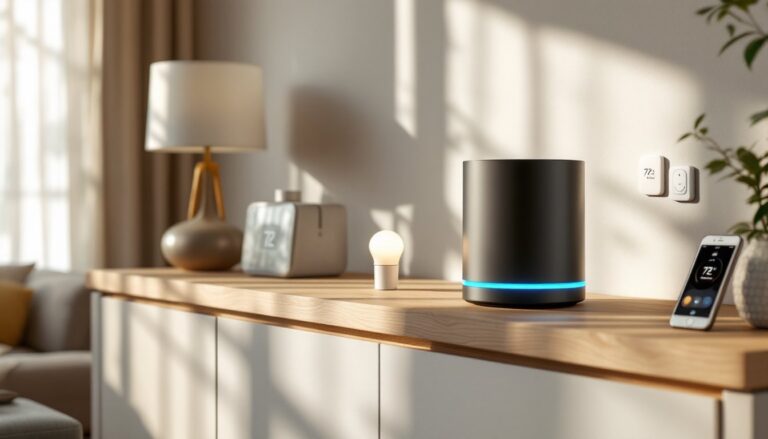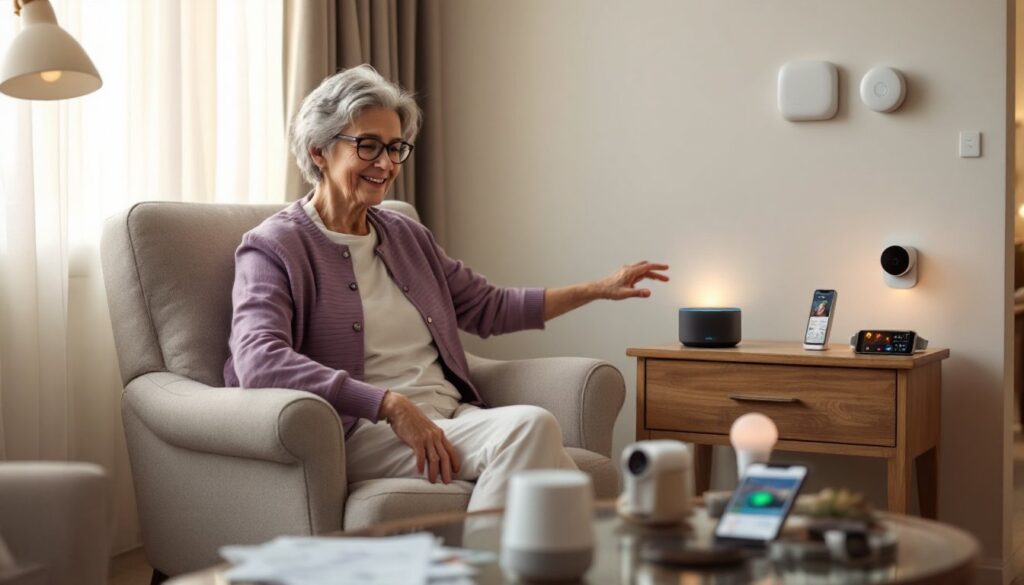

Installing the right smart home technology can help seniors maintain independence without moving into assisted living. The key is choosing devices that solve real problems, reducing fall risk, monitoring health, and keeping family connected, without requiring a computer science degree to operate. Voice control, motion sensors, and remote monitoring have matured to the point where they’re genuinely useful, not just gadgets. This guide covers practical devices that address safety, accessibility, and comfort for aging in place, with honest assessments of setup difficulty and ongoing maintenance.
Table of Contents
ToggleKey Takeaways
- Smart home devices for elderly users should prioritize ease of use, reliability, and simplicity over advanced features to ensure consistent daily adoption and minimize maintenance burden.
- Motion-activated lighting and video doorbells are the most practical starting devices, addressing the two leading safety concerns for seniors: nighttime fall risk and security of entry.
- Voice assistants like Amazon Echo Show and Google Nest Hub eliminate physical barriers for seniors with mobility or arthritis limitations, enabling hands-free control of lights, locks, thermostats, and emergency calls.
- Medical alert devices with automatic fall detection and GPS tracking provide significantly better outcomes than traditional pendants, with services offering 24/7 professional monitoring for $25–50 monthly.
- Successful smart home implementation requires involving seniors in device selection and setup rather than imposing technology, since devices chosen without input typically remain unused.
Why Smart Home Technology Matters for Senior Safety and Independence
Fall-related injuries send over 3 million seniors to emergency rooms annually, according to the CDC. Poor lighting, difficulty reaching controls, and delayed emergency response contribute to these statistics.
Smart home devices address these risks through automation and remote monitoring. Motion-activated lighting eliminates fumbling for switches in the dark. Voice-controlled thermostats remove the need to navigate stairs to adjust temperature. Security cameras let family members check in without intrusive daily calls.
The technology works best when it fades into the background. Seniors shouldn’t need to troubleshoot Wi-Fi passwords or update firmware. Look for devices with simple interfaces, reliable customer support, and compatibility with existing routines rather than forcing new habits.
A successful smart home setup prioritizes three factors: ease of use, reliability during power outages (battery backup matters), and the ability for family members to monitor and adjust settings remotely. Skip devices that require frequent app updates or complex multi-step commands.
Smart Doorbells and Security Cameras for Peace of Mind
Video doorbells solve a practical problem: seniors can see who’s at the door without walking to it or opening it to strangers. Ring Video Doorbell and Nest Doorbell offer clear 1080p video, two-way audio, and motion detection that sends alerts to smartphones.
Key features for elderly users:
• Large, visible buttons for the doorbell itself (not just a tiny camera lens)
• Loud chime options that work with existing mechanical doorbells
• Pre-recorded quick responses like “Please leave the package” without live interaction
• Shared access so family members receive alerts and can answer remotely
Installation typically requires mounting the doorbell unit with two screws and connecting to existing doorbell wiring (16-24V transformers standard in most homes). Battery-powered versions eliminate wiring but need recharging every 2-3 months.
For indoor monitoring, Wyze Cam v3 provides budget-friendly 1080p coverage with night vision and motion tracking. Mount it in common areas like living rooms or entryways, never bedrooms, which violates privacy and dignity. Experts at Tom’s Guide regularly test these cameras for reliability and ease of use.
Safety note: Position cameras to monitor fall-risk areas like staircases and bathrooms (exterior only), but discuss placement with the senior first. Surveillance without consent damages trust.
Voice Assistants That Simplify Daily Tasks
Voice control removes physical barriers. Seniors with arthritis, limited mobility, or vision impairment can control lights, locks, thermostats, and entertainment without touching switches or reading small screens.
Amazon Echo Show 8 combines voice assistant capabilities with an 8-inch display, making it easier to see responses, video calls, and reminders. The screen shows visual confirmation of commands (“Kitchen light turned off”), which builds confidence for new users.
Practical voice commands for daily living:
• “Alexa, call [family member name]” (hands-free video calls)
• “Alexa, remind me to take medication at 9 AM”
• “Alexa, what’s the weather today?”
• “Alexa, turn off all lights” (bedtime routine without walking room to room)
Google Nest Hub offers similar functionality with better integration for Google Calendar and Photos, useful for displaying family photos as a digital frame when not in active use.
Setup requires connecting to Wi-Fi (family members should handle initial configuration) and linking smart home devices through the companion app. Once configured, voice assistants require minimal maintenance. Many seniors who initially resisted voice technology now use it daily after seeing how it simplifies routine tasks, as reviews on Digital Trends consistently highlight.
Pro tip: Create routines that bundle multiple actions (“Goodnight” turns off lights, locks doors, and arms security) to simplify voice commands.
Automated Lighting Systems to Prevent Falls
Falls happen most often during nighttime bathroom trips when seniors navigate dark hallways. Automated lighting eliminates this risk by detecting motion and providing illumination before someone takes a step.
Philips Hue motion sensors paired with LED bulbs create pathways that light up automatically. Install sensors in hallways, staircases, and bathrooms at a height of 4-5 feet for optimal detection range (16-foot radius typical). The lights can be set to dim warm tones (2700K) at night to avoid the harsh glare that disrupts sleep.
Alternatively, plug-in motion-activated night lights require zero installation, just plug into outlets along the walking path. GE Enbrighten and Eufy Lumi models provide adequate illumination (40-60 lumens) without being so bright they wake others in the home.
For complete systems, smart night lights offer adjustable brightness, motion sensitivity, and scheduling through smartphone apps. They typically draw 0.5-3W when illuminated, adding less than $2 annually to electric bills.
Installation considerations:
• Motion sensors need line-of-sight to walking paths (don’t mount behind furniture)
• Battery-powered sensors use 2-3 AA batteries lasting 12-18 months
• Hardwired options require neutral wires in switch boxes (not present in homes built before 1985)
Test the setup by walking the path at night to verify coverage gaps. Adjust sensor angles and add additional units as needed, overlapping coverage beats gaps.
Smart Thermostats for Comfort and Energy Savings
Constantly adjusting thermostats becomes difficult with mobility limitations. Smart thermostats learn preferences, adjust automatically, and allow remote control through voice commands or smartphone apps.
Google Nest Thermostat provides simple scheduling and learns patterns over the first week of use. If someone typically lowers temperature at 10 PM and raises it at 6 AM, the thermostat automates this pattern. Remote family members can adjust settings if elderly parents are too cold or too warm but reluctant to change it themselves.
Ecobee SmartThermostat includes a remote room sensor, useful for multi-story homes where bedroom temperature differs significantly from the main floor. The sensor ensures comfort in the room being used rather than just where the thermostat is mounted.
Installation requires basic wiring knowledge. Most systems need:
• C-wire (common wire) for continuous power, present in 70% of systems installed after 2000
• Compatibility with existing HVAC (check manufacturer’s compatibility tool before purchasing)
• Shutting off power at the breaker before working on wiring
If a C-wire isn’t present, an adapter can be installed, or a battery-powered model like the Nest Thermostat (2020) works without one. Most HVAC professionals charge $100-150 for installation if DIY isn’t comfortable.
Energy savings typically range 10-15% on heating and cooling costs, which translates to $130-180 annually for average US homes, according to EPA estimates. For households considering smart home improvement projects, thermostats offer measurable ROI.
Medical Alert Systems and Health Monitoring Devices
Traditional medical alert pendants have evolved into smartwatch-style devices with fall detection, GPS tracking, and two-way communication.
Apple Watch Series 9 with Fall Detection automatically calls emergency services if it detects a hard fall and the wearer doesn’t respond within 60 seconds. GPS tracking helps locate seniors with dementia who wander. The watch requires an iPhone for setup and works best for seniors already comfortable with Apple products.
Medical Guardian and Bay Alarm Medical offer dedicated devices designed specifically for seniors, with simpler interfaces, larger buttons, and longer battery life (3-5 days vs. 18 hours for smartwatches). These services include 24/7 monitoring centers staffed by emergency response professionals, with monthly fees ranging $25-50 depending on features.
For health monitoring, Withings Body+ scale tracks weight trends and shares data with family members, useful for detecting sudden changes that might indicate health issues. Omron Evolv blood pressure monitor connects via Bluetooth to store readings automatically, eliminating manual logging.
Key selection criteria:
• Waterproof rating (IPX7 minimum, seniors need protection during showers when falls are common)
• Battery life (devices that need daily charging get forgotten)
• Automatic fall detection (manual button-press assumes consciousness and reachability)
• No contracts (avoid services with annual commitments: month-to-month provides flexibility)
Testing by Good Housekeeping shows that devices with simplified interfaces see 60% higher daily usage rates among seniors compared to multi-function gadgets. Setup alerts through smart home notifications to keep family informed of health readings and emergency activations.
Conclusion
The right smart home devices create independence, not dependence on technology. Start with one or two devices that address specific concerns, automated lighting for fall prevention, or a video doorbell for security. Add gradually as comfort with the technology grows. Involve seniors in selection and setup: devices imposed without input often sit unused in boxes. Technology should adapt to existing routines, not force new ones.