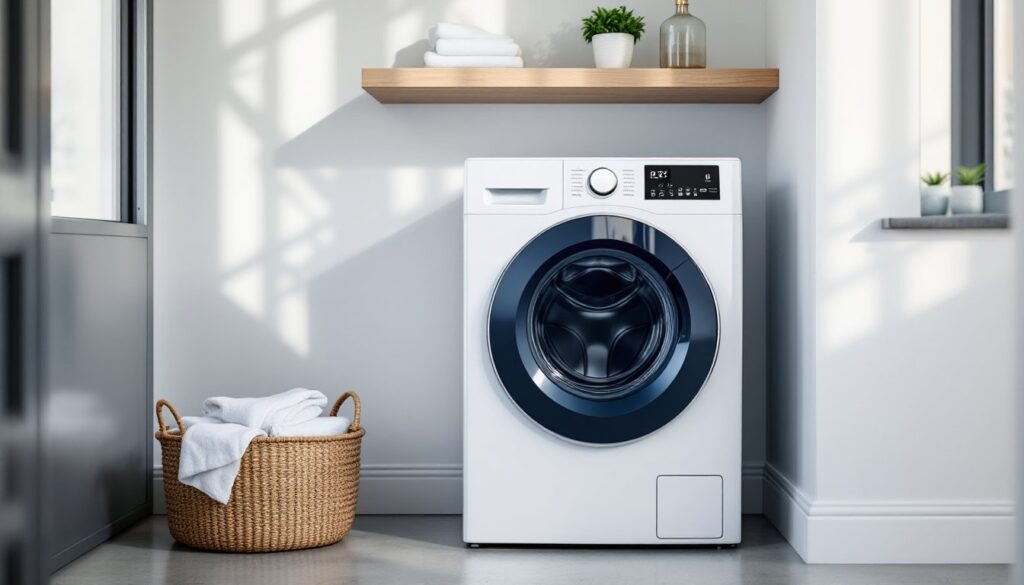

Laundry rooms keep shrinking, or disappearing entirely, in modern homes and apartments. For homeowners facing tight quarters, a vented washer dryer combo offers a practical way to handle both washing and drying in a single unit without sacrificing performance. Unlike ventless models that rely on condensation, vented combos exhaust moisture directly outside, cutting dry times and improving efficiency. But they’re not a plug-and-play solution. Installation demands proper venting, and not every space can accommodate the setup. This guide walks through what vented washer dryer combos are, how they operate, their advantages and limitations, and what you need to know before buying and installing one.
Table of Contents
ToggleKey Takeaways
- A vented washer dryer combo eliminates the need for two separate machines, saving significant space in apartments and compact homes while delivering faster drying times than ventless alternatives.
- Vented combos require proper 4-inch duct venting to an exterior wall, which limits placement options and demands careful installation to prevent moisture buildup and maintain efficiency.
- Reduced wash capacity (typically 2.0–5.0 cubic feet) with drying capacity at roughly half that means households must run smaller, more frequent loads compared to full-size washers and dryers.
- Installation costs range from $150 to $400 when hiring professionals for venting and hookups, and quality vented washer dryer combo units typically cost $1,200 to $2,500 before installation.
- Choose Energy Star–certified models with sensor drying and stable brands like Samsung or LG to ensure efficient operation, lower utility bills, and reliable performance over time.
- Repair complexity is higher with a vented combo since any component failure disables the entire unit, making upfront brand and warranty research critical for long-term satisfaction.
What Is a Vented Washer Dryer Combo?
A vented washer dryer combo is an all-in-one appliance that washes and dries laundry in the same drum. Unlike stacked or side-by-side units, it occupies the footprint of a single machine, typically around 24 to 27 inches wide. The “vented” designation means it uses a 4-inch rigid or flexible duct to expel hot, moist air outdoors during the drying cycle, similar to a traditional standalone dryer.
This differs from ventless (condenser or heat pump) combos, which recirculate air and condense moisture into a drain or collection tank. Vented models dry faster because they don’t rely on internal condensation, but they require an exterior wall or chimney access for the vent duct.
These units are common in Europe and increasingly popular in U.S. urban apartments, condos, and ADUs where space is at a premium. Capacities range from 2.0 to 5.0 cubic feet, which is smaller than full-size washers but adequate for households doing frequent, smaller loads.
How Vented Washer Dryer Combos Work
The wash cycle functions like any front-loading washer: the drum rotates, water and detergent mix, and the load is agitated and rinsed. Most combos use cold-water connections only, with internal heaters raising water temperature as needed. Spin speeds typically reach 1,200 to 1,400 RPM, extracting more water than top-loaders and shortening dry time.
Once washing finishes, the machine transitions to drying without user intervention. The heating element or gas burner activates, warm air circulates through the drum, and moisture-laden air exits through the 4-inch vent duct to the outside. Because the drum is the same one used for washing, drying capacity is often 50% of wash capacity, a 4.5 cu. ft. washer may dry only 2.25 cu. ft. effectively.
Vented combos generally complete a full wash-and-dry cycle in 3 to 6 hours, depending on load size, fabric type, and selected settings. Some models offer sensor drying that monitors moisture levels and adjusts time automatically, preventing over-drying and reducing energy use.
Key Benefits of Vented Washer Dryer Combos
Space efficiency is the primary draw. A single unit replaces two machines, freeing up square footage in closets, kitchens, or bathrooms. In tight quarters where a stacked set won’t fit, a combo can be the only viable laundry solution.
Faster drying than ventless models is another major advantage. By venting moisture outdoors, drying cycles run 30–50% quicker than condenser or heat pump combos. This matters for households running multiple loads daily or washing bulky items like comforters.
Ease of use appeals to renters and busy homeowners. With no need to transfer wet clothes between machines, the risk of mildew from forgotten loads drops. Many units feature Wi-Fi connectivity and app controls, allowing users to start, pause, or monitor cycles remotely.
Lower upfront cost compared to buying separate washer and dryer units can make combos attractive, especially in new construction or remodels where plumbing and electrical runs are consolidated. Installation labor is also reduced when running a single water supply and drain line.
For those prioritizing home organization tips in compact living spaces, a combo unit simplifies the laundry zone without compromising function.
Drawbacks and Limitations to Consider
Reduced capacity is the most common complaint. Even large combos max out around 5.0 cu. ft. for washing and half that for drying. Families accustomed to doing one or two large loads per week may need to run three or four smaller batches.
Longer cycle times mean the appliance is occupied for hours. If a household generates laundry faster than a single combo can process it, bottlenecks develop. There’s no option to start a new wash while the previous load dries, as you would with separate machines.
Venting requirements limit placement. The unit must sit within a few feet of an exterior wall, and the duct run should be as short and straight as possible, maximum recommended length is 25 feet with no elbows, less if bends are needed. Each 90-degree elbow reduces effective length by roughly 5 feet. If venting isn’t feasible, a ventless combo is the only alternative.
Repair complexity is higher. When one component fails, say, the heating element or control board, the entire unit is out of service. Parts and labor can be expensive, and availability may be limited compared to mainstream washers and dryers.
Energy and water use vary widely by model. Some combos are Energy Star certified and use as little as 13 gallons per load, while others consume significantly more. Check the yellow EnergyGuide label and compare annual operating costs before buying.
Installation Requirements and Best Practices
Electrical: Most vented combos require a 120V, 15-amp circuit for electric models, though some larger units need 240V. Gas versions need a 120V circuit plus a natural gas or propane connection. Verify your home’s electrical panel capacity and outlet type before purchase.
Plumbing: You’ll need a cold-water supply line (usually 3/4-inch copper or braided stainless steel) and a drain connection. The drain hose must discharge into a standpipe, laundry sink, or floor drain with a minimum 18-inch standpipe height to prevent backflow. Some jurisdictions require an air gap or backflow preventer per local plumbing codes.
Venting: Install 4-inch rigid metal duct wherever possible: flexible aluminum or foil ducts are code-compliant in some areas but kink easily and trap lint. Duct should slope downward toward the exterior to prevent condensation buildup. The exterior vent cap must include a damper flap to block drafts and pests. Clean the duct annually to reduce fire risk and maintain efficiency.
Clearances: Leave at least 1 inch on each side and 4 inches at the back for airflow and vibration. Front clearance depends on door swing, measure carefully if installing in a closet.
Leveling: Use a bubble level and adjust the feet until the unit is perfectly level front-to-back and side-to-side. An unlevel combo vibrates excessively, walks across the floor, and may drain improperly.
Permits: In most jurisdictions, swapping an existing combo or dryer doesn’t require a permit. Adding new electrical, gas, or venting where none existed may. Check with your local building department before starting work. When in doubt, hire a licensed plumber or electrician.
Choosing the Right Vented Washer Dryer Combo for Your Home
Capacity: Match drum size to household size and laundry habits. A couple or single person can manage with 2.5–3.5 cu. ft., while families should look for 4.0 cu. ft. or larger. Remember that drying capacity is half of washing capacity.
Energy efficiency: Prioritize Energy Star models to cut utility bills. Compare the annual energy use in kWh and water consumption per cycle. Heat pump vented combos (rare but emerging) use significantly less energy than resistance-element models.
Cycle options: Look for dedicated settings for delicates, heavy-duty, quick wash, and steam refresh. Sensor drying is a must-have to avoid over-drying and fabric damage. Wi-Fi connectivity and app control are nice-to-haves for tech-savvy users.
Noise level: Check the decibel rating if the combo will sit near living or sleeping areas. Models rated below 55 dB during spin are considered quiet. Anti-vibration feet and direct-drive motors reduce noise further.
Brand and warranty: Mainstream brands like Samsung, LG, and Bosch dominate the North American market. Samsung’s Bespoke AI models, for example, have earned recognition in appliance performance testing for their advanced sensors and drying efficiency. Read user reviews on platforms like CNET to identify common failure points and customer service quality.
Budget: Expect to pay $1,200 to $2,500 for a quality vented combo. Compact or off-brand units start around $900, while premium models with AI features exceed $3,000. Factor in installation costs, $150 to $400 if hiring a pro for venting and hookups.
Conclusion
Vented washer dryer combos deliver genuine space savings and faster drying for homeowners willing to work within their capacity and installation constraints. They’re not a universal fix, large families and homes without exterior wall access should explore alternatives. But for urban dwellers, condo owners, and anyone converting a closet or bathroom into a laundry zone, a well-chosen vented combo can handle everyday loads without the footprint or complexity of separate machines. Measure twice, vent carefully, and match capacity to your household’s real-world needs.